
"Atitlan Lake coffee"
500 article(s) found
Characteristics and attributes of coffee from eight major producing areas in Guatemala Guatemala
The Ekatlago Valley is 2000 meters (6500 feet) above sea level, with dense shade and unique ecology. The nearby Fuego volcano erupts, making its coarse, sandy soil rich in a variety of minerals. Temperate sea breezes from the Pacific and a seasonal climate allow coffee in this region to be dried by sunlight and processed according to traditional family methods that have been accumulated over the years. [characteristics]

Central and South American Coffee Flavor washing Raw Coffee beans at La Tisa Manor in Guatemala
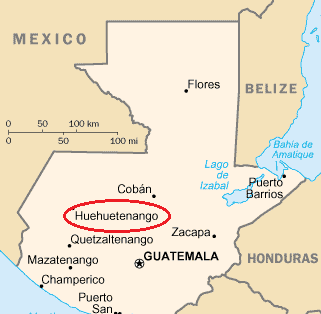
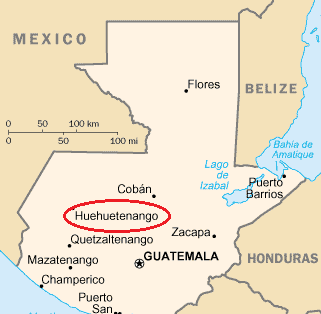
Coffee was really introduced into Guatemala in 1750 by Father Jesuit, where the coffee industry was developed by German colonists at the end of the 19th century. Today, most of the coffee industry's production takes place in the south of the country. There are seven main coffee producing areas in Guatemala: Antigua, Coban, Atitlan and Huehuete.

Coffee bean flavor characteristic attributes of coffee in eight major producing areas of Guatemala
The Ekatra Valley rises to 2000 meters (6500 feet), with dense shade and unique ecology, and the nearby Fuego volcano erupts, making its coarse, sandy soil rich in a variety of minerals. Temperate sea breezes from the Pacific and a seasonal climate allow coffee in this region to be dried by sunlight and processed according to traditional family methods that have been accumulated over the years. [characteristics]
Common important regions of Guatemala Detailed description Learn about the fine regions of Guatemala
The Akatango Valley rises to 2000 meters (6500 feet) above sea level, is densely shaded and ecologically unique, and the nearby Fuego volcano is a fault eruption, making its coarse, sandy soil rich in various minerals. Temperate sea breezes from the Pacific Ocean and seasonal climates allow this region's coffee to be sun-dried and processed by home-style traditional methods accumulated over the years. [Features]
Introduction of Guatemalan Fine Coffee introduction to Guatemalan Coffee producing areas
Guatemala is a famous producer of high-quality Arabica coffee in Central America. Coffee from five volcanic and three non-volcanic producing areas is very unique and enjoys a high reputation in the international market. Mr. EduardoAmbrocio of the Guatemalan Coffee Company introduced Guatemalan coffee to the audience at the SCAA Houston show in April 2010. 1. Alcatraguo Valley (AcatenangoValley)

Introduction of High quality Coffee Plantation in Guatemala
High-quality coffee plantations. The main areas rich in high-quality coffee in Guatemala are Lake Attilan (LakeAtitlan) and Huehuentenango. The purpose of the project is to help restore the vicious circle of high yield and low quality that has plagued the world coffee industry. For example, Bourbon trees grow taller and produce fewer coffee beans than the new dwarf trees, although they all belong to
What are the characteristics of Guatemalan coffee? Guatemalan coffee American specialty dangerous land
[guide] the Ekatlago Valley rises to 2000 meters (6500 feet), with dense shade and unique ecology, and the nearby Fuego volcano erupts, making its coarse, sandy soil rich in various minerals. Temperate sea breezes from the Pacific Ocean and seasonal climate have raised the Ekatangol Valley in Guatemala Guatemala to 2000 meters (6500 feet).
General knowledge of Fine Coffee beans characteristics of Coffee in eight producing areas of Guatemala
The Ekatra Valley rises to 2000 meters (6500 feet), with dense shade and unique ecology, and the nearby Fuego volcano erupts, making its coarse, sandy soil rich in a variety of minerals. Temperate sea breezes from the Pacific and a seasonal climate allow coffee in this region to be dried by sunlight and processed according to traditional family methods that have been accumulated over the years. [characteristics]

Guatemala Republic Coffee beans Flower-scented Coke of La Tisa Manor on the Farahan Plateau of Guatemala
Coffee was really introduced into Guatemala in 1750 by Father Jesuit, where the coffee industry was developed by German colonists at the end of the 19th century. Today, most of the coffee industry's production takes place in the south of the country. There are seven main coffee producing areas in Guatemala: Antigua, Coban, Atitlan and Huehuete.
Starbucks dangerous Ma Antigua Coffee beans Guatemala Coffee beans Flavor characteristics Antigua Coffee beans
[guide] the Ekatlago Valley rises to 2000 meters (6500 feet), with dense shade and unique ecology, and the nearby Fuego volcano erupts, making its coarse, sandy soil rich in various minerals. Temperate sea breezes from the Pacific Ocean and seasonal climate have raised the Ekatangol Valley in Guatemala Guatemala to 2000 meters (6500 feet).

Fine Coffee learns from the characteristics of Coffee in eight producing areas of Guatemala
Guatemala is a famous producer of high-quality Arabica coffee in Central America. Coffee from five volcanic and three non-volcanic producing areas is very unique and enjoys a high reputation in the international market. Mr. EduardoAmbrocio of the Guatemalan Coffee Company introduced Guatemalan coffee to the audience at the SCAA Houston show in April 2010. 1. Alcatraguo Valley (AcatenangoValley)
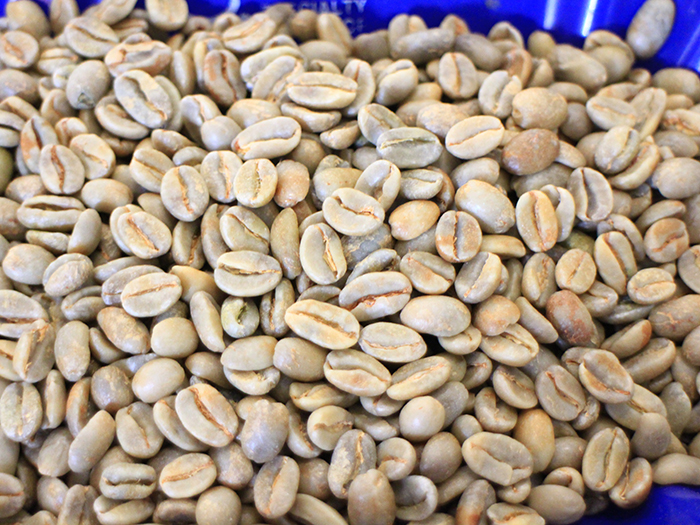
Washed coffee beans in Guardia La Tisa Manor Bourbon Kaddura fresh hard beans at high altitude
Coffee was really introduced into Guatemala in 1750 by Father Jesuit, where the coffee industry was developed by German colonists at the end of the 19th century. Today, most of the coffee industry's production takes place in the south of the country. There are seven main coffee producing areas in Guatemala: Antigua, Coban, Atitlan and Huehuete.

Introduction to the characteristics of fine coffee in the manor area with high alcohol thickness and high flavor of Guatemalan coffee.
Tiankeng refers to a huge pit formed by the surface collapse due to the continuous erosion of solid bedrock by water. The ground in part of Guatemala City is not above solid bedrock, but a loose layer of volcanic pumice made of gravel, usually hundreds of feet thick. At least one geologist said the latest sinkhole in Guatemala City was caused by a pipeline leak, not natural.

How to drink Guatemalan coffee beans with different characteristics of coffee in eight producing areas of Guatemala
The Ekatlago Valley is 2000 meters (6500 feet) above sea level, with dense shade and unique ecology. The nearby Fuego volcano erupts, making its coarse, sandy soil rich in a variety of minerals. Temperate sea breezes from the Pacific and a seasonal climate allow coffee in this region to be dried by sunlight and processed according to traditional family methods that have been accumulated over the years. [characteristics]
ILLY Italian Arabica coffee beans (Guatemala) Starbucks Guatemala Antigua Coffee
[guide] the Ekatlago Valley rises to 2000 meters (6500 feet), with dense shade and unique ecology, and the nearby Fuego volcano erupts, making its coarse, sandy soil rich in various minerals. Temperate sea breezes from the Pacific Ocean and seasonal climate have raised the Ekatangol Valley in Guatemala Guatemala to 2000 meters (6500 feet).
Characteristics and attributes of coffee from eight major producing areas of high-quality coffee beans in Guatemala
The Ekatra Valley rises to 2000 meters (6500 feet), with dense shade and unique ecology, and the nearby Fuego volcano erupts, making its coarse, sandy soil rich in a variety of minerals. Temperate sea breezes from the Pacific and a seasonal climate allow coffee in this region to be dried by sunlight and processed according to traditional family methods that have been accumulated over the years. [characteristics]
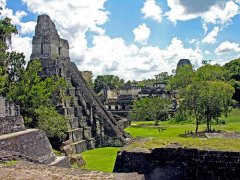
Characteristics and attributes of Coffee in eight Coffee producing areas of Guatemala in the World Coffee producing area
The Ekatlago Valley is 2000 meters (6500 feet) above sea level, with dense shade and unique ecology. The nearby Fuego volcano erupts, making its coarse, sandy soil rich in a variety of minerals. Temperate sea breezes from the Pacific and a seasonal climate allow coffee in this region to be dried by sunlight and processed according to traditional family methods that have been accumulated over the years. [characteristics]
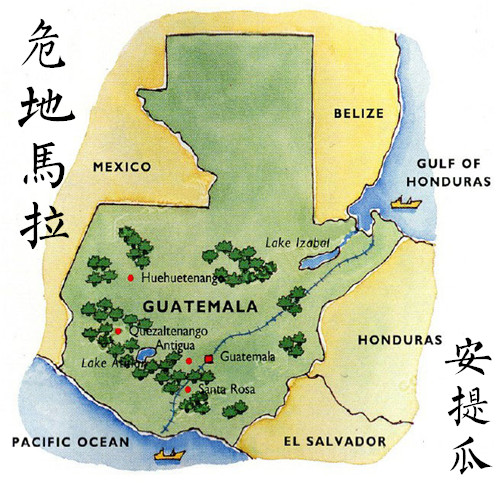
Guatemalan Coffee how to taste a single coffee? Guatemalan Coffee Latisha Manor
[guide] the Ekatlago Valley rises to 2000 meters (6500 feet), with dense shade and unique ecology, and the nearby Fuego volcano erupts, making its coarse, sandy soil rich in various minerals. Temperate sea breezes from the Pacific Ocean and seasonal climate have raised the Ekatangol Valley in Guatemala Guatemala to 2000 meters (6500 feet).
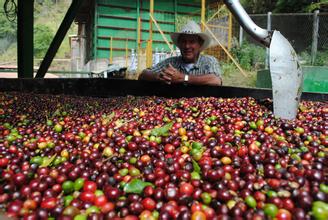
Buy Guatemalan Coffee how to taste a single coffee? Antigua Antigua Guatemala
[guide] the Ekatlago Valley rises to 2000 meters (6500 feet), with dense shade and unique ecology, and the nearby Fuego volcano erupts, making its coarse, sandy soil rich in various minerals. Temperate sea breezes from the Pacific Ocean and seasonal climate have raised the Ekatangol Valley in Guatemala Guatemala to 2000 meters (6500 feet).
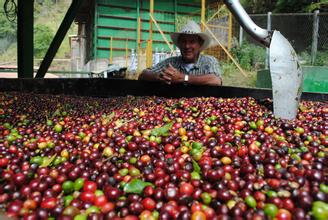
Guatemala National Guatemala production area Guatemala time Guatemala Coffee New Oriental region
[guide] the Ekatlago Valley rises to 2000 meters (6500 feet), with dense shade and unique ecology, and the nearby Fuego volcano erupts, making its coarse, sandy soil rich in various minerals. Temperate sea breezes from the Pacific Ocean and seasonal climate have raised the Ekatangol Valley in Guatemala Guatemala to 2000 meters (6500 feet).